August 13, 2026Banned Across the Globe… Yet Still Sitting on American Grocery Store Shelves

Here are 6 foods/products that are FDA-approved (or produced under FDA-allowed practices) in the U.S. but banned or heavily restricted in many other countries, starting with the three you requested:
**1. Milk from cows treated with rBGH/rBST (recombinant bovine growth hormone)**
FDA-approved since 1993 to increase milk production.
**Banned in**: European Union, Canada, Australia, New Zealand, Japan, Israel, and others.
**Why**: Primarily due to animal welfare concerns. Treated cows show higher rates of mastitis (udder infections), lameness, and reproductive problems. Some countries also cite elevated levels of IGF-1 (a growth factor) in the milk as a potential human health concern under the precautionary principle.
**2. Pork from pigs treated with ractopamine**
FDA-approved (Paylean) since 1999 to promote lean muscle growth.
**Banned or restricted in**: Over 160 countries, including the entire EU, China, Russia, and Taiwan.
**Why**: Animal welfare issues (trembling, lameness, inability to walk, stress, and higher death rates) and insufficient data on human safety. Residues can concentrate in organs, and regulators in many countries cite potential cardiovascular effects.
**3. Pre-packed ground beef (and other beef) from hormone-treated cattle**
U.S. allows growth-promoting hormone implants (estradiol, testosterone, progesterone, zeranol, trenbolone acetate, etc.) in cattle.
**Banned for import in**: European Union and United Kingdom (since the 1980s).
**Why**: The EU prohibits growth-promoting hormones in livestock under the precautionary principle, citing potential residual hormone exposure and long-term health concerns. Most conventional U.S. beef is therefore blocked from these markets unless certified hormone-free.
**4. Chlorine-washed (or chemically rinsed) chicken**
Common U.S. processing practice using antimicrobial rinses (chlorine or similar).
**Banned for import in**: European Union and UK.
**Why**: The EU prioritizes stricter on-farm hygiene and rejects chemical washes as a way to compensate for poorer production conditions. It views the practice as masking rather than preventing contamination.
**5. Baked goods containing potassium bromate**
Used in some U.S. bread and baked products to strengthen dough and improve rise.
**Banned in**: European Union, United Kingdom, Canada, China, Brazil, and many other countries.
**Why**: Classified as a possible human carcinogen. Residues can remain if the bread is not fully baked, raising cancer concerns.
**6. Foods containing certain synthetic food dyes (especially Red 40, Yellow 5, and Yellow 6)**
While the rhetoric for the DHH has been to ban and remove these from products in the United States companies are now calling them by different names such as, Widely used in U.S. candies, cereals, drinks, and snacks.
Common NameOfficial FDA Name
Other Names You May See
Red 40
FD&C Red No. 40, Allura Red AC, Allura Red, Red 40 Lake
Yellow 5
FD&C Yellow No. 5, Tartrazine, Yellow 5 Lake
Yellow 6
FD&C Yellow No. 6, Sunset Yellow FCF, Sunset Yellow, Yellow 6 Lake
Blue 1
FD&C Blue No. 1, Brilliant Blue FCF, Blue 1 Lake
Blue 2
FD&C Blue No. 2, Indigotine, Indigo Carmine, Blue 2 Lake
Green 3
FD&C Green No. 3, Fast Green FCF
Red 3
FD&C Red No. 3, Erythrosine (currently being phased out)
**Restricted or require warning labels in**: European Union; banned or heavily limited in Norway, Austria, and some other countries.
**Why**: Linked in some studies to hyperactivity and behavioral issues in children. The EU requires warning labels and encourages natural alternatives; several countries have gone further and restricted or banned specific petroleum-based dyes.
These differences largely stem from the U.S. requiring stronger evidence of harm before restricting a substance, while the EU and many other countries apply a stricter precautionary approach.
August 6, 2026Mast Cell Inflammation is a Major Overlooked Cause of many conditions
**Mast Cell Activation Syndrome (MCAS) isn’t just another diagnosis.**
For many people, it’s the underlying driver behind years of unexplained symptoms that never quite fit into a single neat category.
Mast cells are specialized immune cells that release histamine and more than 200 other inflammatory chemicals. When these cells become overactive, the cascade of mediators they release can disrupt nearly every system in the body.
Common areas affected include:
- **The gut** — bloating, SIBO, and IBS-like symptoms
- **The nervous system** — POTS, anxiety, and insomnia
- **Hormones** — estrogen dominance and endometriosis-related issues
- **The immune system** — autoimmunity, allergies, and ongoing mast cell reactivity
- **The brain** — fatigue, brain fog, and migraines
Understanding MCAS as a root issue rather than an isolated condition can help explain why so many seemingly unrelated symptoms appear together—and why addressing mast cell regulation often becomes a key part of the bigger picture.
Call TODAY for your FREE Consultation
616 532-4500
July 27, 2026Mast Cells, Histamine, and the Perimenopause Storm —
And How Frequency Support Can Help Calm It

If you’re a woman in your 30s, 40s, or early 50s who works a physical job and suddenly feels like your body has turned against you — unexplained flushing, racing heart, itchy skin, brain fog, middle-of-the-night anxiety, joint aches that won’t quit, or sleep that never restores you — it may not be “just hormones.”
A big piece of the puzzle that rarely gets discussed outside functional circles is the mast cell–histamine connection.
What Mast Cells Actually Do
Mast cells are immune cells stationed throughout your body — in the skin, gut lining, blood vessels, brain, and connective tissue. They act as rapid responders. When they “degranulate,” they dump a payload of histamine and dozens of other chemical messengers.
Histamine is not only an allergy chemical. It influences blood vessel dilation (flushing and heat), nerve signaling (itching, pain, anxiety), gut motility, sleep-wake cycles, and even temperature regulation. In the right amount it is useful. In excess, or when it lingers too long, it creates the exact cluster of symptoms many women experience in perimenopause and menopause.
How Hormones Throw Mast Cells Off Balance
Research and clinical observation show a clear relationship:
- Estrogen tends to activate mast cells and increase histamine release. It can also slow the enzyme (DAO) that breaks histamine down, so more of it stays in circulation.
- Progesterone has a stabilizing, calming effect on mast cells.
In a regular cycle these two hormones keep each other in check. In perimenopause the balance collapses. Progesterone often declines years earlier than estrogen. Estrogen then surges and crashes unpredictably. The result is a system that has lost its natural brake. Mast cells become more reactive. Histamine rises more easily and clears more slowly. Women who already had a mild histamine tilt or low-level sensitivities can suddenly find themselves in full flare.
This is why the symptom list looks so familiar:
- Sudden heat and flushing that feels like a hot flash but can also appear as random skin flushing or hives
- Heart racing or palpitations, especially when standing
- Anxiety, irritability, or middle-of-the-night panic that seems out of proportion
- Brain fog and fatigue that sleep doesn’t fix
- Itching, crawling skin, or unexplained rashes
- Digestive swings (bloating, urgency, food reactions that never used to exist)
- Headaches or migraines that track with the hormonal chaos
- Joint and muscle aches that feel inflammatory
These symptoms are routinely labeled “just menopause.” For many women they are menopause *plus* heightened mast-cell activity driven by the hormonal roller coaster.
Where Rife Frequency Support Comes In
Frequency work operates on a different principle than drugs or hormone replacement. The idea behind Rife technology is that cells and biological processes have specific vibrational signatures. Delivering precise electromagnetic frequencies can influence cellular behavior — either by disrupting dysfunctional patterns or by supporting more coherent, balanced function.
In the frequency community, certain sets are used for conditions that overlap heavily with mast-cell and histamine issues:
- Frequencies commonly applied for hives, urticaria, and skin reactivity
- Broader anti-inflammatory and immune-modulating frequencies
- Frequencies associated with reducing swelling, supporting lymph flow, and easing toxin-related reactivity
- General hormonal and autonomic-balancing programs used for menopause symptoms (hot flashes, sleep disruption, mood)
Some practitioners and users report that consistent sessions appear to reduce the intensity or frequency of histamine-type flares — less random flushing, calmer skin, better sleep, fewer sudden anxiety spikes. The working theory is that the frequencies may help stabilize over-reactive mast cells, support clearer cellular communication, or reduce the background inflammatory load that keeps the system primed to degranulate.
This is not presented as a cure. It is an energetic tool that some women find useful for calming the downstream effects while they work on the bigger picture.
A Practical Perspective
If your symptoms feel bigger than “normal” menopause — especially if they include itching, sudden food reactions, unexplained flushing, or anxiety that tracks with heat — it is reasonable to consider the mast-cell/histamine layer. Supporting the body with frequency work is one non-pharmaceutical approach that aligns with how many people already use Rife equipment for inflammation, immune balance, and cellular support.
Your body is not broken. It is reacting to a real biological shift. Understanding the mast-cell piece gives you another lever — and frequency support is one practical way some women choose to pull it.
Call Us TODAY!
Ask about our RIFE Treatments Can Help YOU!
616-532-4500
June 1, 2026Healthy No More: 4 Beloved Brands Big Food Snatched & Reformulated for Profit




Siete sold to PepsiCo for 1.2 billion
They swapped Pure Cassave Flour for Cassava BLEND (contains HIGHLY Refined FILLERS)
Naked Juice Sold to PepsiCo for 450 million
They swapped blended fruits and PURE juices for Industrially SYNTHESIZED Vitamins and CHEMICAL FILLERS
Tom’s of Maine Sold to Colgate for 100 million
Was Originally made with PURE Peppermint Essential Oils and Standard Natural Texturizers
Independent Tests FOUND 421 PPB of LEAD in the NEW FORMULA of children’s toothpaste.
There is NO SAFE LEVEL OF EXPOSURE!
Bear Naked sold to Kellogg’s for 122 million
They Swapped WHOLE, minimally processed grains and seeds for Synthetic Glycerin Potassium Carbonate, , Synthetic Lecithin and Hexane Processed Soy.
May 27,2026The Hidden Brain Benefit of Reading That Could Extend Your Lifespan

Your Brain on Books: The Fascinating Things That Happen Inside Your Head While Reading
We all know reading feels good — but what’s actually happening in your brain the moment you open a book?
When you start reading, your brain lights up like a symphony orchestra playing multiple instruments at once. Here’s the behind-the-scenes magic:
1. Visual & Language Processing Goes Into Overdrive
Your eyes take in the words, but your brain is doing heavy lifting. The visual cortex processes the letters while Wernicke’s area (responsible for language comprehension) and Broca’s area (speech production) activate almost instantly. Within milliseconds, your brain turns abstract symbols into meaning, stories, and emotions.
2. Imagination Centers Light Up
Reading isn’t passive. As you read about a character walking through a forest, your visual imagery network kicks in — the same parts of the brain that activate when you’re actually seeing something. This is why a great book can feel so vivid. Your brain is essentially simulating the entire experience.
3. Emotional & Empathy Networks Activate
Fiction especially triggers your brain’s “theory of mind” regions — the parts that help you understand what other people are thinking and feeling. Mirror neurons fire as you unconsciously simulate the emotions of the characters. This is why readers often score higher on empathy tests.
4. Memory and Learning Systems Strengthen
Every time you read, your hippocampus (the brain’s memory hub) works to connect new information with what you already know. This constant mental cross-referencing builds stronger neural connections, improving not just memory, but critical thinking and problem-solving skills.
5. The Relaxation Response Takes Over
Here’s the coolest part: within just a few minutes, reading shifts your brain from high-alert “stress mode” into a calm, focused flow state. Your heart rate slows, tension melts away, and your mind gets a rare break from the constant digital bombardment of modern life.
Regular readers essentially give their brains a high-intensity, full-body workout — strengthening everything from focus and creativity to emotional intelligence and long-term cognitive health.
The best part? You don’t need to read for hours. Even short daily sessions create meaningful changes in brain structure and function over time.
So next time you pick up a book, know this: you’re not just escaping reality — you’re actively upgrading your brain.
Clyde Park Chiropractic - 616-532-4500
Beginner Core Magic: Just 2 Stretches to Loosen, Strengthen & Feel Better Fast
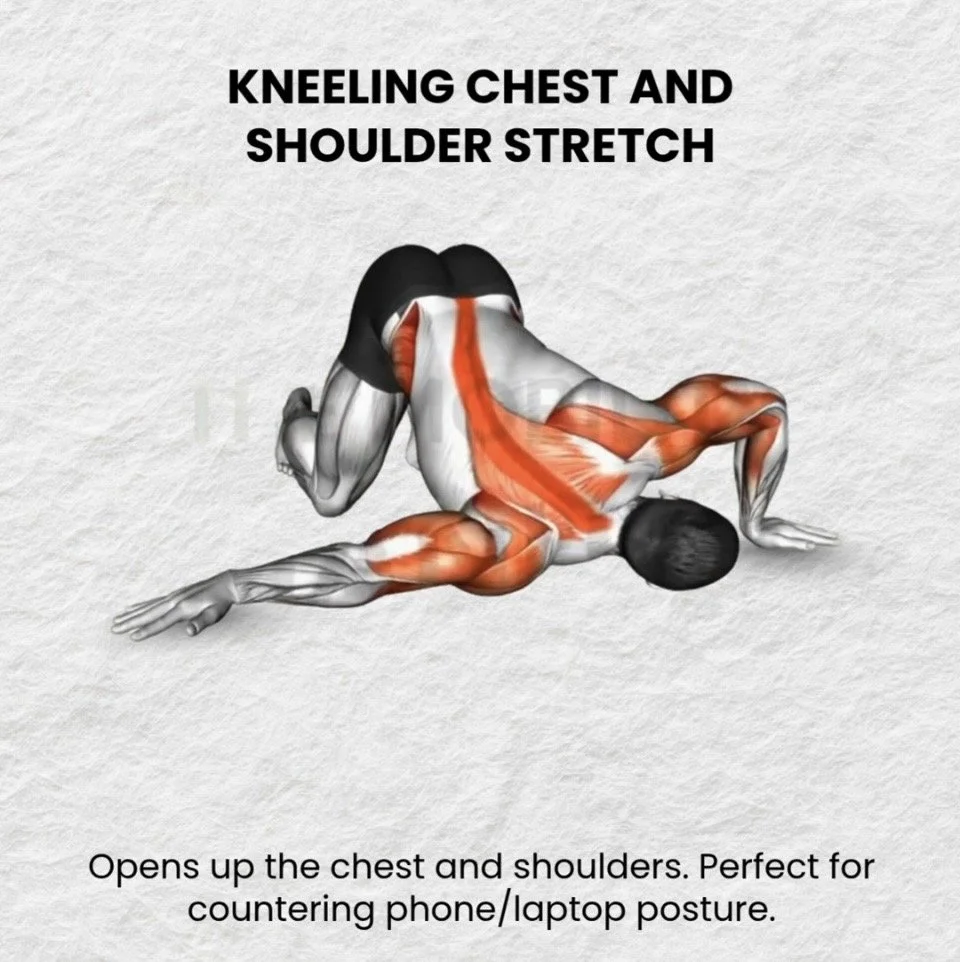
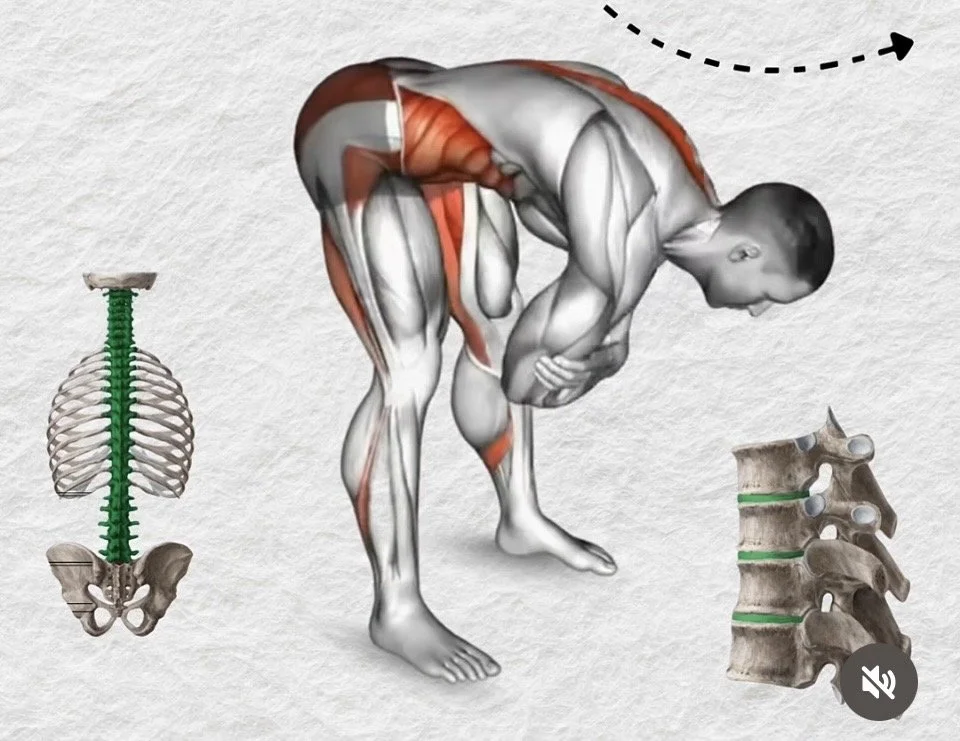
Think of your muscles like rubber bands. When they’re tight and cold, they don’t move well and can snap under pressure. Stretching gently lengthens those “rubber bands,” keeping your body loose, strong, and ready for everyday life.
Here’s why it’s important:
Keeps you moving freely Regular stretching improves flexibility so you can bend, reach, and turn without feeling stiff. This makes simple tasks (like tying shoes or reaching for something on a high shelf) easier as you age.
Prevents injuries Flexible muscles and joints are less likely to get pulled, strained, or torn during exercise, sports, or even just walking the dog.
Eases muscle tension and pain Sitting all day or lifting heavy things tightens muscles. Stretching releases that built-up tension, reduces soreness, and can relieve back, neck, and shoulder pain.
Improves posture and balance Tight muscles pull your body out of alignment. Stretching helps you stand taller and stay steadier on your feet, lowering the risk of falls.
Boosts blood flow Stretching increases circulation, delivering more oxygen and nutrients to your muscles while helping remove waste products. This speeds up recovery after workouts.
Feels good mentally A few minutes of stretching can lower stress, calm your mind, and improve your mood — almost like a mini meditation.
Bottom line: Stretching doesn’t have to be complicated or time-consuming. Just 5–10 minutes a day can keep your body feeling younger, moving better, and recovering faster. Your muscles, joints, and even your brain will thank you.
Call for an APPOINTMENT TODAY! 616 532-4500
Only 4 New patient appointments left for MAY and JUNE!
We specialize in helping your find the right stretch for your body.
The ‘Not Today, Aging’ Elixir: Pomegranate, Beet, Grape & Orange Glow-Up in a Glass

This juice blend is rich in antioxidants, polyphenols, nitrates, and vitamin C, which collectively help combat key drivers of aging like oxidative stress, inflammation, mitochondrial decline, and reduced collagen production.
These effects come from synergistic compounds in each ingredient, supported by various studies on cellular health, skin, cardiovascular function, and longevity markers.
Pomegranates: Mitochondrial Renewal via Urolithin A
Pomegranates contain ellagitannins (like punicalagins), which gut bacteria convert into urolithin A. This compound is one of the most promising anti-aging molecules because it stimulates mitophagy—the process of clearing damaged mitochondria (the cell's energy factories). Mitochondrial dysfunction is a hallmark of aging, leading to fatigue, muscle loss, and cellular decline.
Studies show urolithin A improves muscle endurance in older animals and extends lifespan in models (e.g., worms by over 45%).
It also supports skin health by reducing wrinkles, boosting collagen, and hydration.
Human trials link pomegranate polyphenols to better oxidative status and reduced aging signs.
Beets: Nitric Oxide Boost and Antioxidant Protection
Beets are high in dietary nitrates (converted to nitric oxide in the body) and betalains (potent antioxidants).
Nitric oxide relaxes blood vessels, improving circulation, oxygen delivery, blood pressure, and endurance—important for "vascular aging" and maintaining physical function.
Betalains reduce oxidative stress, inflammation, and DNA damage while supporting liver detox and brain blood flow.
This helps counteract age-related declines in stamina, cognitive function, and cardiovascular health.
Red Grapes: Resveratrol and Polyphenols for Cellular Protection
Red grapes provide resveratrol and other polyphenols (like anthocyanins).
Resveratrol activates sirtuins (longevity-related proteins) and acts as an antioxidant, protecting against oxidative damage, inflammation, and UV-related skin aging.
It supports heart health, mitochondrial function, and may slow cellular senescence (when cells stop dividing properly but cause inflammation).
Whole grape compounds show broader benefits than isolated resveratrol for aging-related issues.
Oranges: Vitamin C and Flavonoids for Collagen and Defense
Oranges deliver high vitamin C plus flavonoids like hesperidin.
Vitamin C is essential for collagen synthesis, helping maintain skin elasticity, reduce wrinkles, and thicken thinning skin with age. It also neutralizes free radicals and supports photo-protection.
Flavonoids add anti-inflammatory and antioxidant effects, reducing oxidative stress and supporting overall cell health.
Synergistic Effects of the Blend
Combining these creates a powerful mix:
Antioxidant overload fights free radicals and lowers chronic inflammation (inflammation), a major aging accelerator.
Improved blood flow (from beets + polyphenols) delivers nutrients/oxygen better while clearing waste.
Mitochondrial and collagen support for energy, muscle, and skin health.
Potential benefits for brain, heart, and metabolic health, which indirectly promote longevity.
Realistic expectations: These ingredients support healthy aging processes but aren't a miracle cure. Benefits are most evident with consistent intake as part of a balanced diet, exercise, and lifestyle. Effects vary by gut microbiome (for urolithin A production), age, and overall health. Fresh or minimally processed juice maximizes benefits, but watch natural sugars if blood sugar is a concern. Consult a doctor for personalized advice, especially with medications.
May 14, 2026Don’t Let a Tiny Tick Ruin Your Michigan Summer! ⚠️
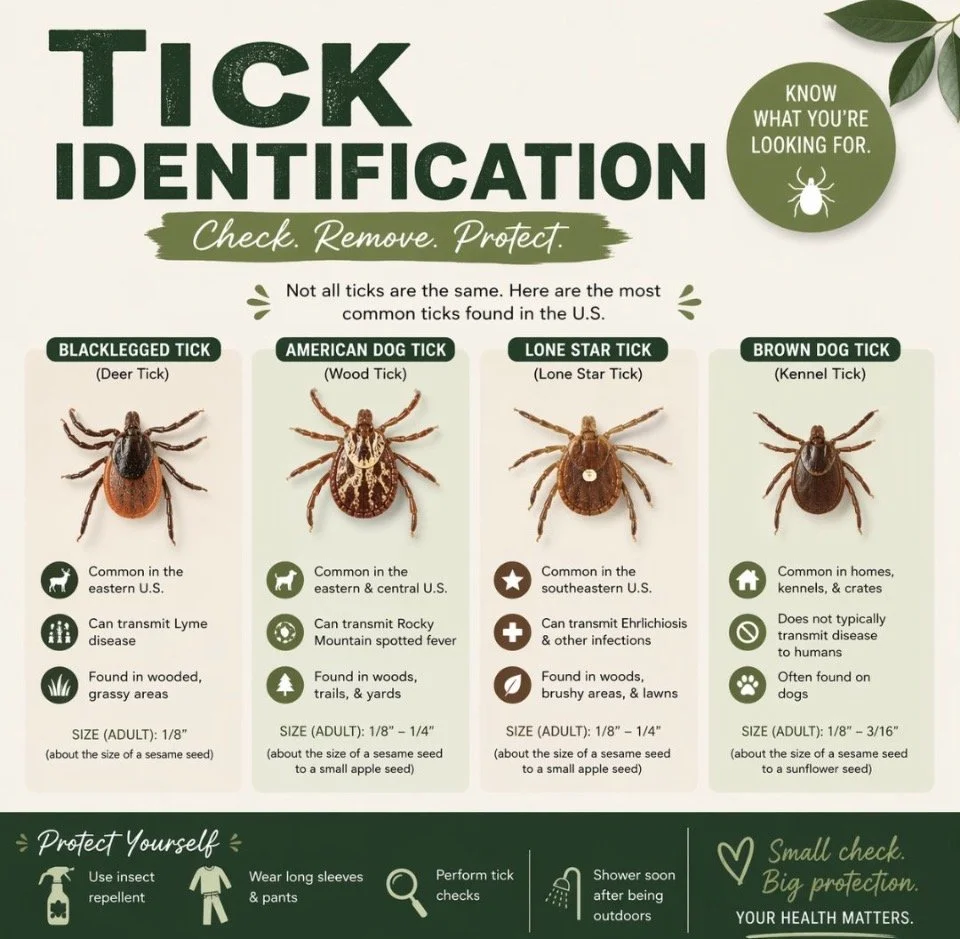
If you find a tick on yourself or your pet, act quickly — the sooner you remove it, the lower the risk of disease transmission (like Lyme disease in Michigan).
For Humans: Step-by-Step Tick Removal
Use fine-tipped tweezers (not fingers, matches, petroleum jelly, or nail polish — these can make things worse).
Grasp the tick as close to the skin’s surface as possible.
Pull upward with steady, even pressure. Don’t twist or jerk — this helps keep the mouthparts from breaking off.
Once removed, clean the bite area and your hands with rubbing alcohol, soap and water, or an iodine scrub.
Dispose of the tick by flushing it down the toilet, drowning it in alcohol, or sealing it in a bag/container. Taking a clear photo of the tick (and noting the date) can help if you need to show it to a doctor.
After removal:
Monitor the bite site for 3–30 days.
Watch for symptoms like a bull’s-eye rash (erythema migrans), fever, chills, headache, fatigue, muscle/joint aches, or swollen lymph nodes.
See a doctor promptly if symptoms appear, especially in Michigan where blacklegged (deer) ticks are common. Early treatment is very effective.
Note: Preventive antibiotics aren’t routinely recommended — discuss with your doctor based on tick type, attachment time, and local risk.
For Pets (Dogs, Cats, etc.)
The process is very similar, but pets can be wiggly and stressed:
Use fine-tipped tweezers or a tick removal tool.
Grasp the tick close to your pet’s skin and pull straight out with steady pressure (no twisting).
Clean the area with pet-safe antiseptic or soap and water.
Reward your pet and check the rest of their body thoroughly — ticks love ears, armpits, groin, and between toes.
Important pet tips:
Never use human tick products on pets (some are toxic).
Contact your vet right away if the tick was engorged (full of blood), if you can’t remove it fully, or if your pet shows symptoms like lethargy, loss of appetite, limping, or fever in the following weeks.
Use vet-recommended monthly preventatives year-round in Michigan.
Extra Tips for Michigan Residents
Do a full body check (and pet check) after being outdoors.
Save or photograph the tick if it was attached — Michigan has resources for identification.
Ticks are most active in spring through fall, but can appear whenever temperatures are above freezing.
Stay safe out there — quick action keeps tick season from ruining your adventures! If you have symptoms or concerns, reach out to your doctor or vet.
Clyde Park Chiropractic - 616-532-4500
**Only 7 NP appointments left for May and June Call Today!**
May 13, 2026Unlock the Breath That Changes Everything
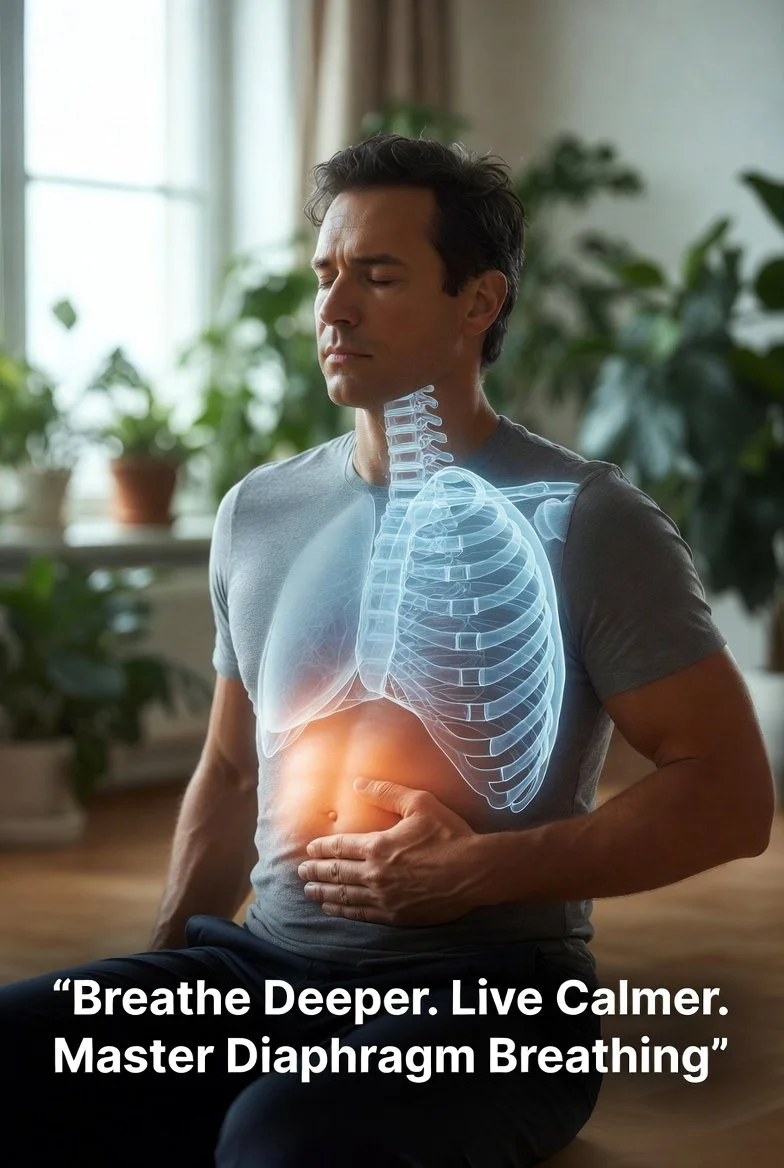
Why Diaphragmatic Breathing Is the Best Breathing Technique (and How It Can Help Your Back, Posture, and Stress Levels)
At our chiropractic office, we don’t just adjust spines—we help you build habits that keep your body feeling great between visits. One of the simplest, most powerful habits you can adopt is **diaphragmatic breathing** (also called belly breathing).
It may sound basic, but this one change can reduce neck and back tension, lower stress, improve posture, and even help your adjustments hold better. Let’s break it down in plain English.
What Is Diaphragmatic Breathing?
Your diaphragm is a big, dome-shaped muscle that sits right under your lungs, separating your chest from your abdomen. When you breathe diaphragmatically, this muscle drops down as you inhale, pushing your belly out. Your lungs fill from the bottom up, and your ribcage expands gently.
Compare that to the way most of us breathe—especially when we’re stressed, sitting at a desk, or staring at our phones. We do **shallow chest breathing**. Your shoulders rise, your upper chest puffs out, and your belly barely moves. This uses small accessory muscles in your neck and upper back instead of the powerful diaphragm.
Why Diaphragmatic Breathing Wins Every Time
1. **It Gives You More Oxygen**
Deep belly breaths pull air all the way into the lower parts of your lungs, where oxygen exchange is most efficient. Chest breathing only uses the top portion of the lungs. More oxygen = better energy, clearer thinking, and faster muscle recovery.
2. **It Calms Your Nervous System**
Slow, deep diaphragmatic breaths activate your parasympathetic nervous system (the “rest and digest” mode). This lowers cortisol (stress hormone) levels and reduces the fight-or-flight tension that makes your neck and low back tight. Many patients notice their shoulders drop and jaw relaxes within just a few breaths.
3. **It Supports a Healthy Spine and Posture**
Every time you breathe with your diaphragm, you’re gently “massaging” your core from the inside. This stabilizes your lumbar spine, encourages the natural curves of your back, and prevents the forward-head, rounded-shoulder posture so common today. Better core stability means your chiropractic adjustments last longer.
4. **It Reduces Pain and Tension**
Chronic chest breathing keeps the muscles in your neck, upper traps, and even your jaw overworked. Switching to belly breathing gives those muscles a break. Patients with chronic low back pain, headaches, or TMJ issues often report noticeable relief once they make this switch a habit.
5. **It Improves Digestion and Core Strength**
The gentle pressure on your abdomen helps move things along in your digestive tract and engages your deep core muscles (transverse abdominis) without doing a single crunch.
How to Practice Diaphragmatic Breathing (It’s Easier Than You Think)
Try this simple exercise right now:
1. Lie on your back or sit comfortably with one hand on your chest and the other on your belly.
2. Inhale slowly through your nose for 4 seconds. Let your **belly rise** while your chest stays relatively still.
3. Exhale through your mouth for 6 seconds, feeling your belly gently fall.
4. Repeat for 2–5 minutes.
**Pro tip:** Practice while driving, sitting at your desk, or before bed. The more you do it, the more automatic it becomes—even during stressful moments.
Make It Part of Your Chiropractic Wellness Plan
Breathing might seem too simple to matter, but consistent diaphragmatic breathing supports everything we do in the office: better spinal alignment, reduced muscle guarding, faster healing, and lower overall stress on your nervous system.
Next time you’re in for an adjustment; ask us to check your breathing pattern. We can show you quick cues to help you switch from chest to belly breathing throughout your day.
Your body already has the most powerful tool for feeling better—you just need to use it the right way.
**Breathe deep. Stand tall. Feel better.**
Have questions about how breathing affects your specific condition? Drop a comment below or mention it at your next visit. We’re here to help!
*Your friendly chiropractic team*
Call TODAY! Limited New Patient Appointments Available for the rest of MAY!
May 7, 2026Is Hidden Inflammation Ruining Your Health
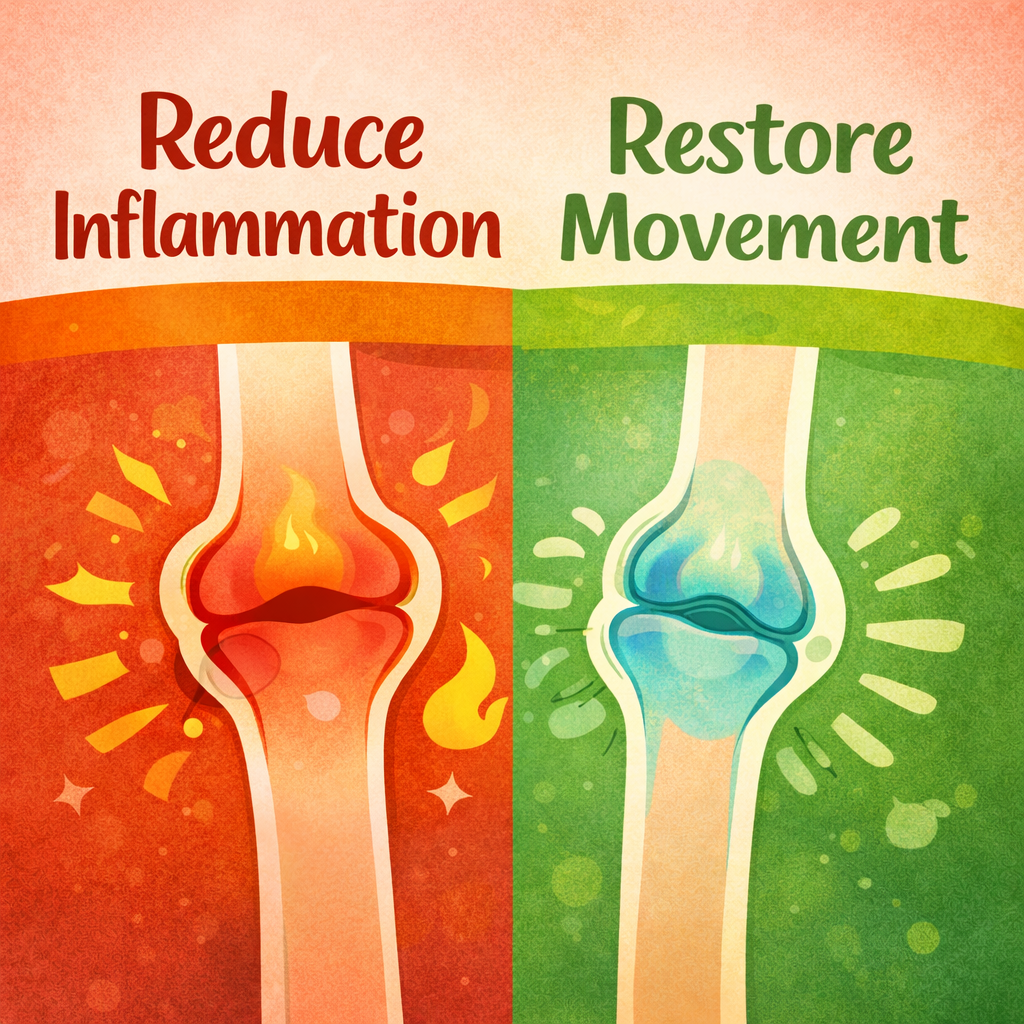
Your body has natural systems designed to detoxify and heal, but those systems depend on two key things:
· Proper nervous system function
· The right nutritional support
Chiropractic care helps optimize nerve communication and joint movement, while good nutrition provides the fuel your body needs to reduce inflammation and manage pain naturally.
When patients combine chiropractic care with healthier food choices, many experience:
· Reduced inflammation
· Less muscle and joint pain
· Improved mobility
· Better overall energy and recovery
Simple steps, like drinking more water, eating whole foods, and limiting processed sugars, can make a noticeable difference, especially when paired with regular chiropractic care.
If You are Experience Pain Call Us NOW for Your Free Exam and Consultation.
Limited Appointments Available - 616 532-4500
May 6, 2026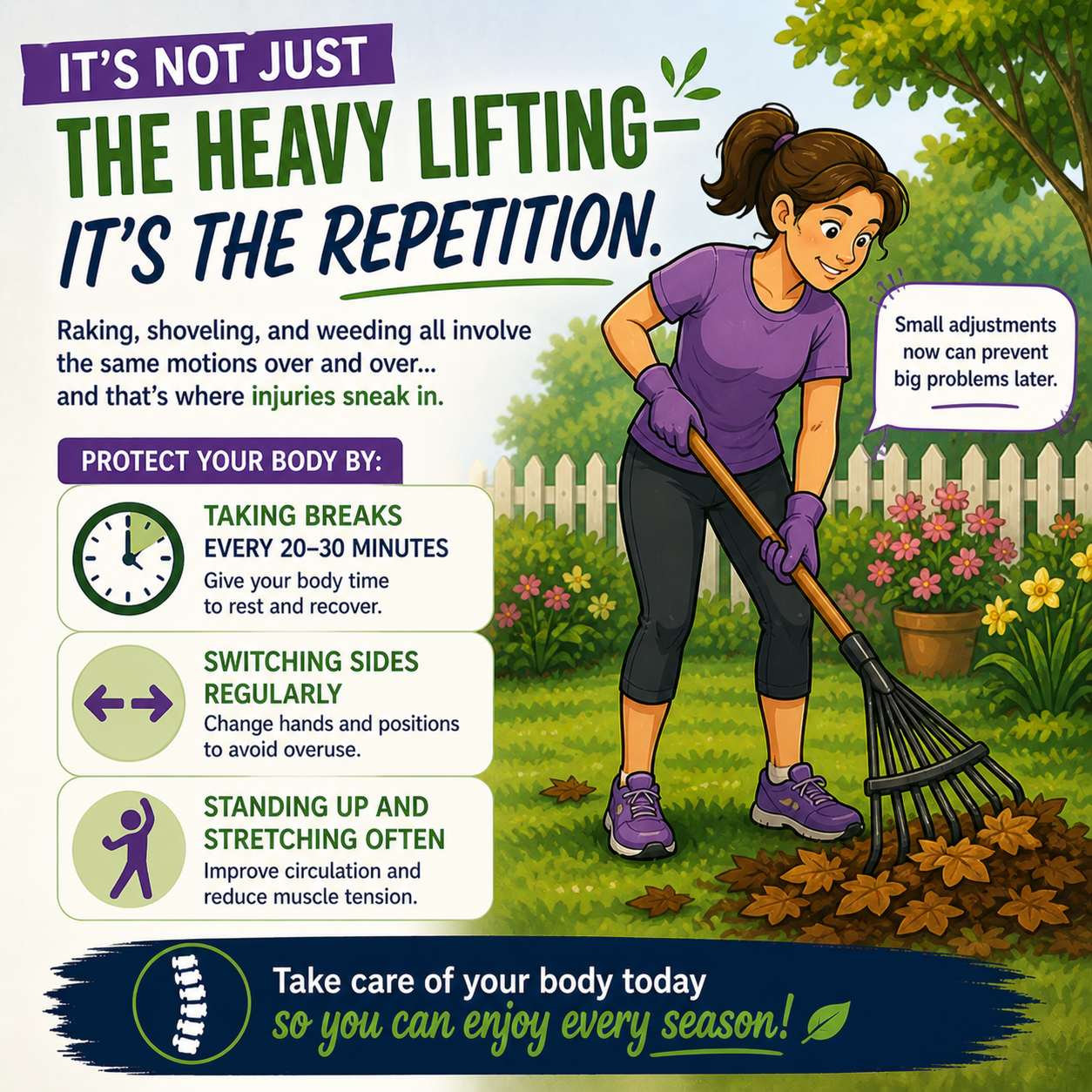
Spring Into Action Safely: Chiropractic Tips for Yard Work, Gardening, and Spring Cleanup
As the weather warms up and the days get longer, many of us feel the urge to get outside and tackle spring cleanup projects. From raking leaves and pulling weeds to planting flowers, shrubs, and trees, spring is the perfect time to refresh your outdoor space.
But after a long winter of reduced activity, jumping straight into yard work can take a toll on your body, especially your back, shoulders, and joints.
Before you dive into your spring projects, here are some chiropractor-approved tips to help you stay safe, prevent injury, and enjoy the season pain-free.
Why Spring Cleanup Can Lead to Injury
Yard work might not feel like a workout, but it absolutely is. Activities like digging, lifting, bending, and twisting put stress on muscles and joints, especially if your body isn’t used to it.
Common springtime complaints we see in the office include:
Low back strain
Neck and shoulder tension
Knee pain
Wrist and elbow irritation
The good news? Most of these injuries are preventable with the right approach.
Warm Up Before You Get to Work
Just like any physical activity, yard work should start with a warm-up.
Take 5–10 minutes to:
Stretch your hamstrings, hips, and lower back
Loosen up your shoulders and arms
Walk around to get your blood flowing
A simple warm-up can significantly reduce your risk of strain and stiffness.
Use Proper Lifting Techniques
Whether you’re lifting bags of mulch, moving pots, or hauling debris, proper lifting is critical.
Remember:
Bend at your knees, not your waist
Keep the object close to your body
Avoid twisting while lifting
Ask for help with heavy or awkward loads
If it feels too heavy, it probably is.
Be Mindful of Repetitive Motions
Tasks like raking, shoveling, and weeding involve repetitive movements that can lead to overuse injuries.
To protect your body:
Switch sides frequently (don’t always rake or shovel the same way)
Take breaks every 20 to 30 minutes
Stand up, stretch, and reset your posture
Small breaks now can prevent big problems later.
Protect Your Back While Gardening
Planting flowers, shrubs, and trees often means spending long periods bent over or kneeling.
Try these tips:
Use a kneeling pad or garden stool
Avoid hunching, keep your back as neutral as possible
Bring your work closer to you instead of reaching
Alternate between kneeling and standing
Your spine will thank you.
Choose the Right Tools (and Use Them Correctly)
Ergonomic tools can make a big difference.
Look for:
Long-handled tools to reduce bending
Lightweight equipment
Cushioned grips to reduce strain on your hands and wrists
Using the right tool for the job helps minimize unnecessary stress on your body.
Don’t Overdo It
One of the biggest mistakes people make is trying to do everything in one day.
Instead:
Break projects into smaller chunks
Spread work over several days
Listen to your body, pain is a warning sign, not something to push through
Pacing yourself is key to staying injury-free.
How Chiropractic Care Can Help
Chiropractic care isn’t just for when you’re in pain, it’s also a great way to prevent injuries and keep your body functioning at its best.
Regular chiropractic adjustments can:
Improve joint mobility and flexibility
Reduce muscle tension
Enhance posture and body mechanics
Help your body recover faster after physical activity
If you’re experiencing soreness, stiffness, or limited movement after yard work, chiropractic care can help get you back on track quickly and safely.
Enjoy Spring Without the Setbacks
Spring is meant to be enjoyed, not spent recovering from aches and injuries.
By preparing your body, using proper techniques, and listening to what your body is telling you, you can tackle your spring cleanup with confidence.
Call Today for a Free Exam and Consultation
616-532-4500
May 4, 2026
April 29, 2026Wait… Pfizer Makes the Cheese in Your Fridge?
Here’s What Every Mom Needs to Know
The Cheese in Your Fridge Might Have a Surprising Story: What Every Woman Should Know About "Enzymes" and Big Pharma

Raise your hand if you’ve ever stood in the grocery store dairy aisle, grabbing a block of cheddar for family tacos, a charcuterie board for girls’ night, or your kids’ lunchbox grilled cheese. Cheese is comfort food for so many of us—it’s quick, versatile, and honestly makes everything better. But next time you check the label, you might notice something vague: “enzymes.”
What if I told you that for about 80-90% of the cheese made in the U.S., those “enzymes” trace back to a lab-made ingredient originally developed by Pfizer? It’s called **fermentation-produced chymosin (FPC)**, a high-tech version of rennet that’s been quietly used since 1990. No big red flags on the package, no special GMO call-out required. Let’s break it down in plain English so you can decide what feels right for your family.
First, the Basics: Why Cheese Needs Rennet
Cheese starts with milk, and to turn that liquid into solid curds (the magic that becomes cheddar, mozzarella, or Swiss), cheesemakers add an enzyme called **chymosin**—the star player in traditional rennet. For centuries, rennet came from the stomachs of young calves (yep, animal-derived). It works beautifully, but it’s expensive, supply can fluctuate, and it’s not vegetarian-friendly.
Enter Pfizer’s Game-Changing Invention
In the late 1980s, scientists at Pfizer took a smart (and very 1990s biotech) approach. They isolated the gene responsible for chymosin from a calf, then inserted it into a safe, common laboratory microorganism (originally a non-pathogenic strain of E. coli bacteria). These tiny “factories” are grown in huge fermentation tanks, where they produce the exact same chymosin enzyme naturally found in calf stomachs.
The microbes are then filtered out, and the pure enzyme is harvested. What ends up in the cheese vat is identical at the molecular level to traditional rennet—but cheaper, more consistent, and available in huge quantities. The FDA reviewed it thoroughly and approved it in 1990 as the **first genetically engineered food ingredient** allowed in the U.S. They classified it as “Generally Recognized as Safe” (GRAS), just like regular rennet, because the final product contains no GM material or microbes—just the clean enzyme.
Pfizer sold this technology and business in 1996 to a Danish company (now part of Novonesis, formerly Chr. Hansen). Today, major suppliers like Chr. Hansen (Chy-Max) and DSM (Maxiren) use similar fermentation methods with yeast or fungi as the host organisms. But the original breakthrough? That was Pfizer.
Why It’s in Almost Every Store-Bought Cheese
**Cost and supply**: Traditional animal rennet is limited and pricey. FPC lets big producers make more cheese, more affordably.
-**Consistency**: Every batch performs the same way, which matters when you’re making millions of pounds of cheese.
**Vegetarian appeal**: No animals involved in the enzyme production, so it’s labeled “microbial enzymes” or just “enzymes.”
**Higher yield**: It often gives cheesemakers a bit more cheese from the same amount of milk.
Result? Most mass-produced cheddar, mozzarella, Swiss, and American cheese in the U.S. uses it. Small artisanal makers or European-style imports sometimes stick with traditional animal rennet.
The Labeling Reality (and Why It Feels Sneaky)
Here’s the part that surprises a lot of us: FPC doesn’t have to be called out as “GMO-derived” or even mention Pfizer. The label can simply say “enzymes” because it’s considered the same as the natural version. No long-term human studies specific to FPC exist beyond the original safety data, but it’s been in our food supply for over 35 years with no established health concerns from regulators. The enzyme itself is a protein that gets broken down during cheesemaking and digestion.
So… What Can You Do? Practical Tips for Your Grocery Run
You don’t have to swear off cheese (we’re not here for food fear!). Knowledge is power, and here are easy ways to choose what fits your values:
**Look for “animal rennet”** on the label (more common in specialty or European cheeses).
**Choose Non-GMO Project Verified or USDA Organic**—these often (but not always) use traditional rennet.
**Support small or local cheesemakers**—many proudly list “vegetable rennet” or true calf rennet on their websites.
**Try imported options** like Parmigiano-Reggiano or certain French/Italian cheeses that follow strict traditional rules.
**Ask at the cheese counter**—your local store or farmers’ market folks are usually happy to share details!
At the end of the day, cheese should bring joy, not stress. Whether you stick with the convenient store brands or seek out traditional versions for special meals, you’re now making an informed choice for yourself and your family.
What do you think—did this surprise you? Have you spotted “enzymes” on labels before? Drop a comment below and share your favorite cheese (mine’s a sharp aged cheddar on a charcuterie board with a glass of wine). Let’s keep the conversation going!
*Sources include FDA approval documents (1990), peer-reviewed cheese science resources, and industry reports from companies like Chr. Hansen and DSM.*
April 27, 2026Drink These Before Bed & Watch Your Gut & Belly Fat Transform

Warm Lemon and Ginger Tea
Supports digestion , reduces bloating and helps reset your gut overnight
1 cup warm water
Juice from ½ lemon
½ TBS grated ginger
Dash of black pepper
Chamomile and Cinnamon Calming Tea
Reduced Inflammation and Calms the Gut and Nervous System
1 Chamomile Tea Bag
1 cup hot water
¼ tsp of Cinnamon
Let steep for 5-7 minutes
Apple Cider Vinegar Tea
Supports Digestion and Balances Gut Bacteria
1 TBS Apple Cider Vinegar – with Mother
1 TSP Honey
1 cup of hot water
Mix until fully blended
Bonus Tip:
Add a small drop of Castor Oil into your bellybutton before bed and watch your digestion improve almost immediately.
April 22, 2026Strengthen Your Body for Better Balance and Fall Prevention —
Simple Home Moves That Actually Matter After 40
Tired of complicated workout plans that don’t fit your busy life? This simple at-home strength routine helps women 30-50 build real, functional strength using just your bodyweight and things you already have around the house.
In just 15–25 minutes a few times a week, you’ll feel more confident lifting, carrying, and moving through your day with less fatigue and better posture.
No gym membership required — just consistent, realistic moves that deliver lasting results."
1. Farmer’s Carry Walks (Build “Carry Strength” for Real Life)
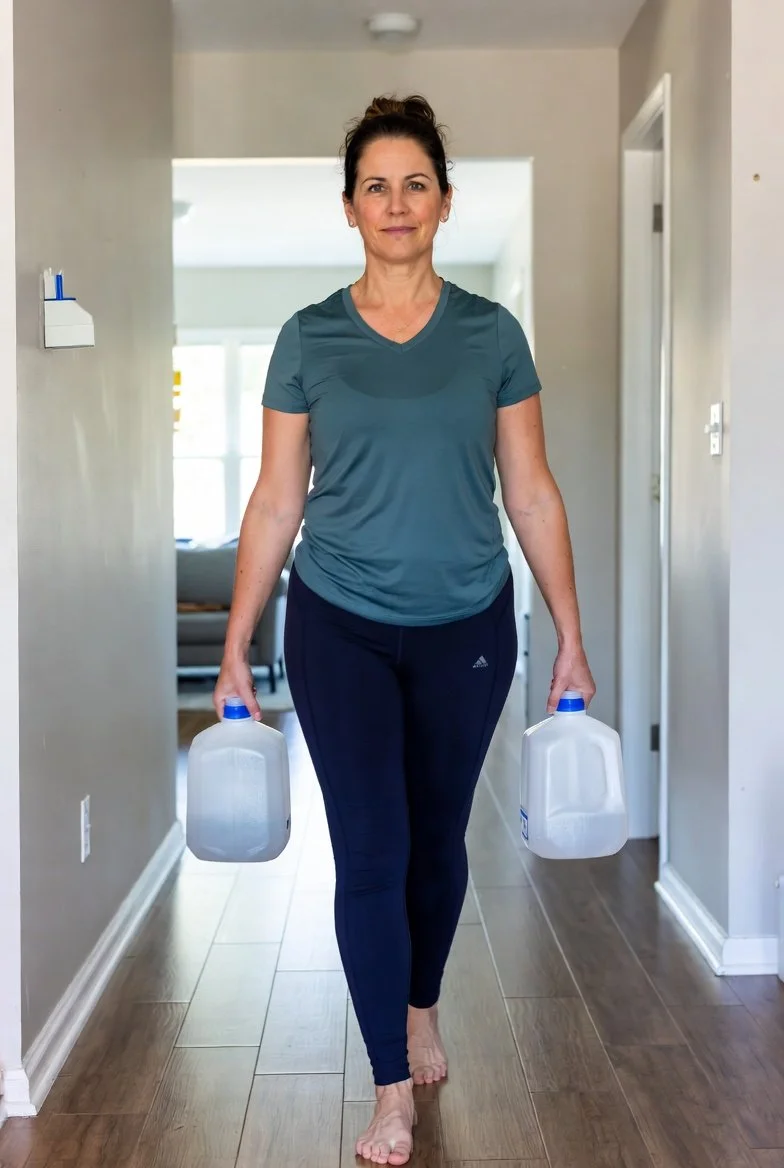
What to do: Grab two heavy household items (laundry detergent jugs, gallon water bottles, or a couple of shopping bags filled with books). Hold one in each hand, stand tall with shoulders back, and walk slowly around your house or up and down a hallway for 30–60 seconds. Rest and repeat 3–4 times.
Why it works: This directly strengthens your grip, core, shoulders, and legs — the exact muscles you use when carrying groceries, kids, laundry, or work bags. Most women notice their arms and back feel less fatigued within a couple of weeks.
How often: 3 times a week, 5–8 minutes total.
2. Single-Leg Balance Holds with a Reach (Build Balance & Stability Strength)
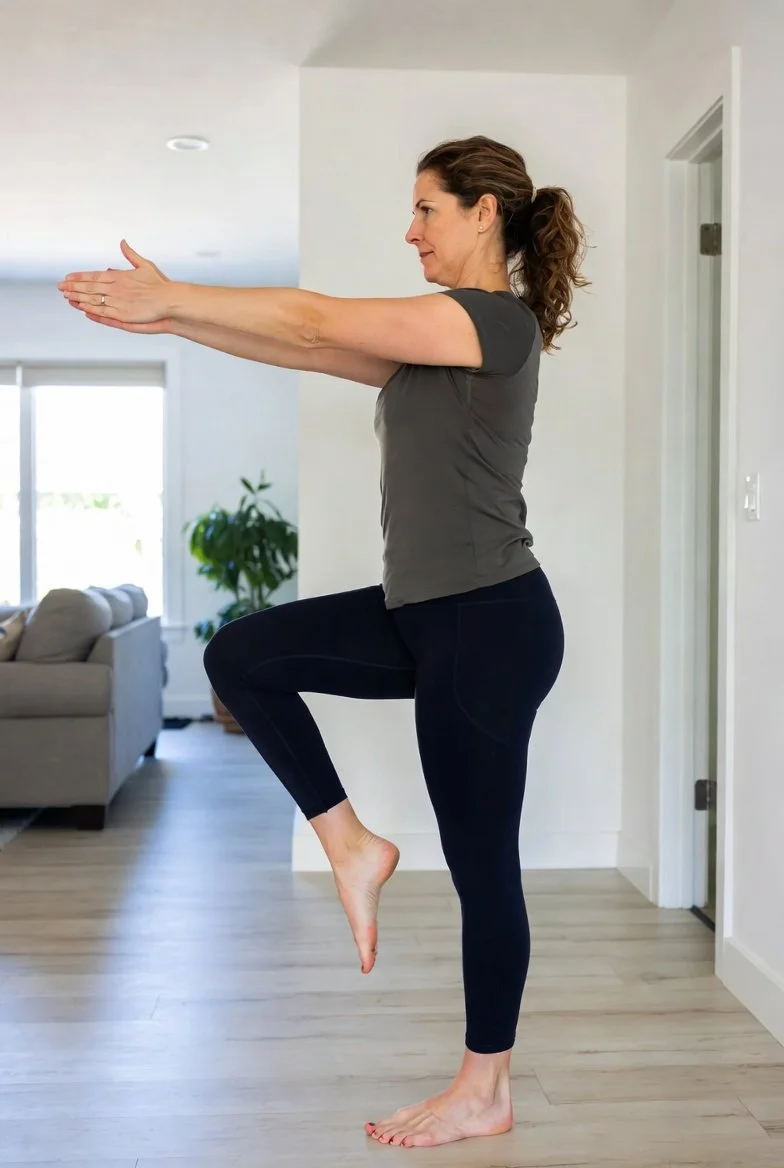
What to do: Stand on one leg (hold onto a chair or wall lightly if needed at first). Keep a slight bend in your standing knee. Slowly reach your free hand forward, to the side, or toward the floor while staying balanced. Hold for 10–20 seconds per side. Do 4–6 reaches per leg.
Why it works: This strengthens the small stabilizing muscles around your ankles, hips, and core that most workouts ignore. It helps prevent wobbles, reduces lower back strain, and makes everyday movements (like stepping over things or getting dressed) feel steadier and stronger.
How often: Every day or every other day — takes less than 2 minutes.
3. Dead Bug with Arm & Leg Extension
(Build Deep Core Strength That Supports Everything)
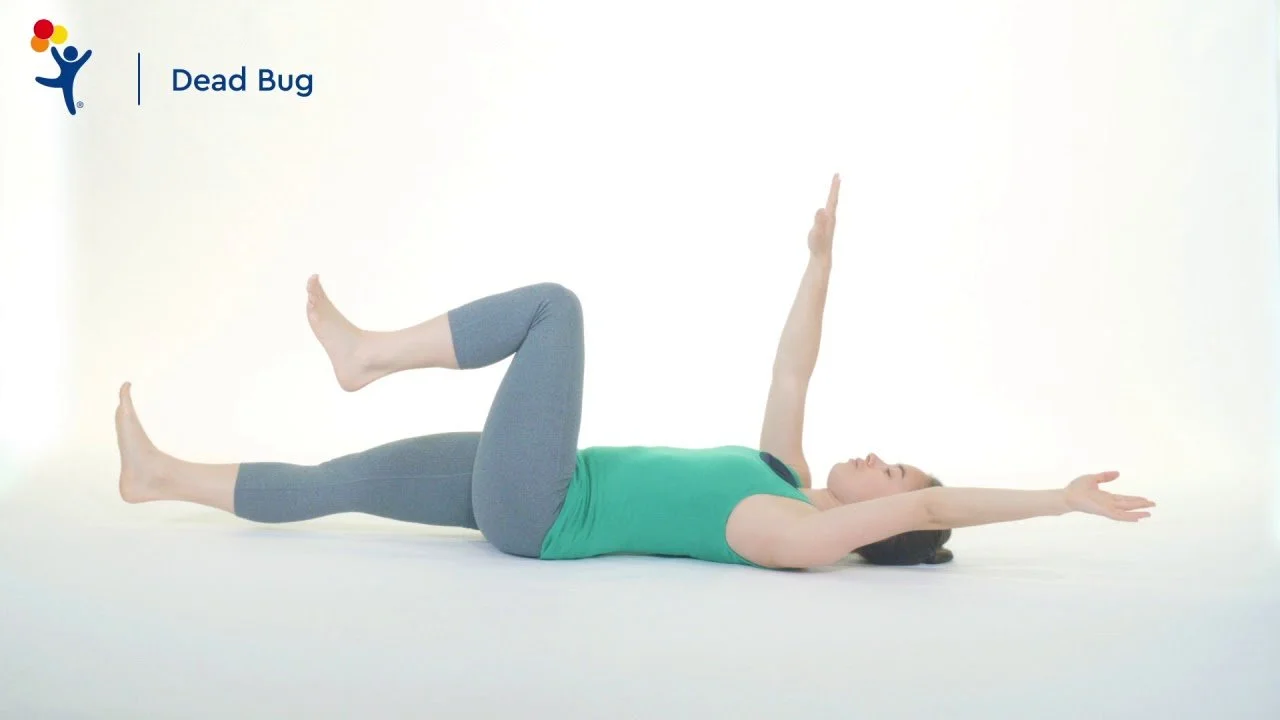
What to do: Lie on your back with knees bent at 90 degrees and arms pointing straight up toward the ceiling. Slowly extend one arm overhead and the opposite leg straight out toward the floor (without letting your lower back arch). Return to start and switch sides. Do 8–10 slow reps per side.
Why it works: This strengthens the deep inner core muscles (the ones that act like a natural back brace) without straining the neck or back. It improves posture, reduces that constant lower back tightness, and makes all lifting and bending movements feel more supported and powerful.
How often: 3–4 times a week, 5–7 minutes.
These three moves are simple, require zero equipment (or things you already own), and deliver noticeable improvements in daily strength and confidence without long workouts.
For A Private Consultation to Build a Strength Program Specifically for YOU!
Call 616-532-4500 NOW!
Time Slots with Dr. Gladish are Filling Up Fast
April 15, 2026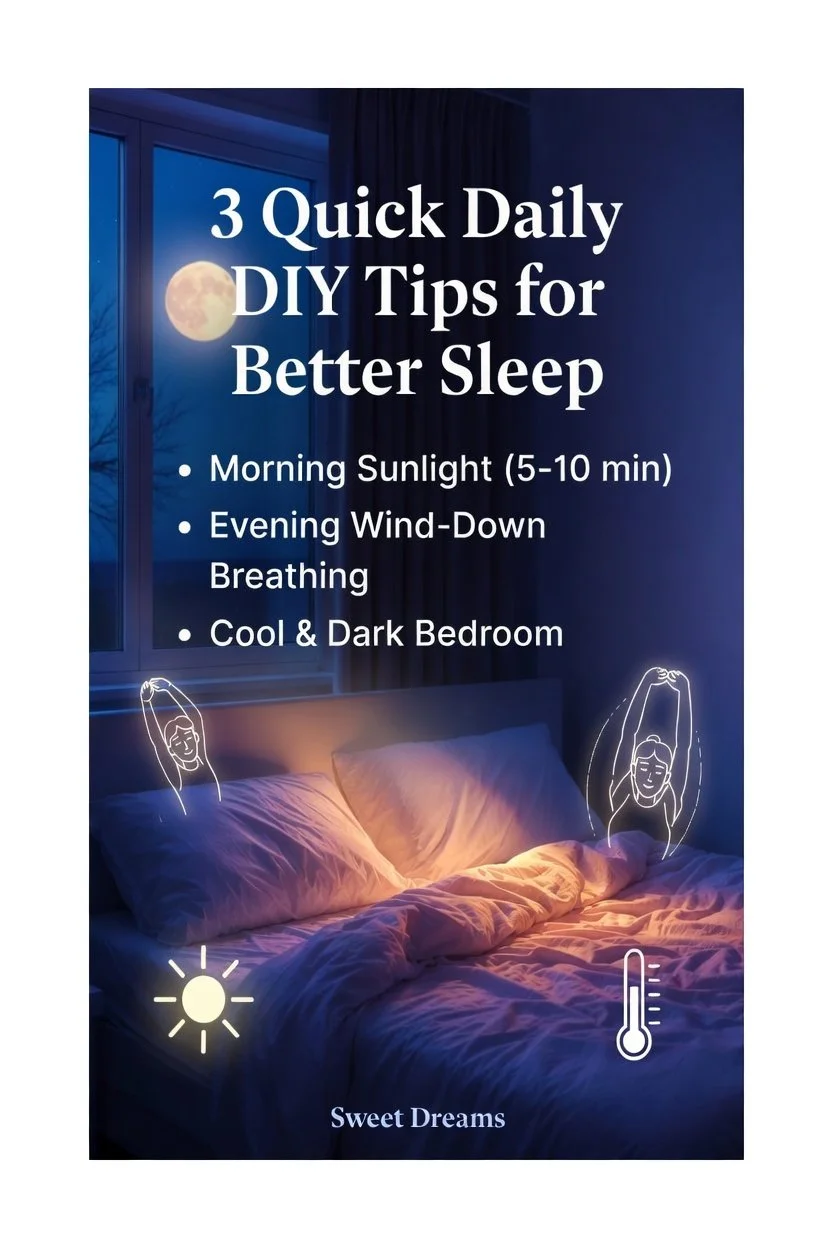
Here are 3 natural, lesser-known sleep tips that go beyond the usual advice (like avoiding screens or keeping a consistent schedule). These are backed by science and often overlooked, yet they can make a noticeable difference by working with your body's physiology.
1. Wear Socks to Bed (or Warm Your Feet)
It sounds counterintuitive, but warming your hands and feet before bed helps you fall asleep faster. As your core body temperature naturally drops to trigger sleep, blood flow to the extremities increases, which signals the brain it's time to rest. Cold feet can delay this process.
How to do it: Put on a pair of clean, loose socks about 30–60 minutes before bed (or take a warm foot bath). This simple trick can reduce the time it takes to fall asleep and improve sleep quality. Many people notice the difference within a few nights.
2. Take a Hot Bath or Shower 1–2 Hours Before Bed
A warm bath raises your core temperature temporarily, and the rapid drop afterward mimics your body's natural pre-sleep cooling, making you feel drowsy faster. This is more effective than a quick shower right before bed.
How to do it: Aim for 10–20 minutes in water around 104°F (40°C). Do this 60–90 minutes before your target bedtime for the best effect. Add Epsom salts (magnesium sulfate) for an extra relaxation boost if you have them.
3. Increase Dietary Magnesium Intake (Through Food or Targeted Supplementation)
Magnesium helps calm the nervous system, supports melatonin production, and promotes deeper sleep stages — yet many people are subtly deficient without realizing it. It's not as hyped as melatonin supplements, but it addresses root causes like muscle tension and stress.
How to do it: Eat magnesium-rich foods daily (leafy greens like spinach, almonds, pumpkin seeds, avocados, or dark chocolate). If needed, consider a well-absorbed form like magnesium glycinate or threonate (200–400 mg) in the evening — but check with a doctor first, especially if you have health conditions. Results often build over 1–2 weeks of consistent use.
These tips work best when combined with the basics (cool/dark room, morning light, wind-down routine). Track how you feel after trying one for a week. Everyone's body is different, so experiment gently. If sleep problems continue, consult a healthcare professional to rule out underlying issues. Sweet dreams
Chiropractic care can help reset your nervous system thus helping regulate your sleep.
Call NOW for a Free Exam and Consultation. Limited Appts Available
Are You Getting Enough Sleep?
Recommended Sleep Hours by Age
Newborns (0–3 months): 14–17 hours (sleep is irregular, mostly in short stretches)
Infants (4–12 months): 12–16 hours (including naps)
Toddlers (1–2 years): 11–14 hours (including naps)
Preschoolers (3–5 years): 10–13 hours (including naps)
School-age children (6–12 years): 9–12 hours (mostly at night, naps usually stop)
Teenagers (13–18 years): 8–10 hours
Adults (18+ years): 7+ hours (most people feel best with 7–9 hours)
How to Tell If Someone Needs More or Less Sleep
Sleep needs are highly individual, but here are common signs that sleep duration or quality may be off. Not getting enough sleep (sleep debt) is far more common than getting too much, especially in children and teens. Oversleeping can sometimes signal an underlying issue like illness, depression, or poor sleep quality.
General Signs of Not Enough Sleep (Sleep Deprivation)
These often appear across ages but show up differently:
Difficulty waking up in the morning (even after "enough" time in bed)
Daytime sleepiness — yawning, rubbing eyes, falling asleep in car rides, class, or during the day
Mood issues — irritability, crankiness, mood swings, emotional outbursts, anxiety, or sadness
Behavioral changes — hyperactivity or impulsivity (especially in younger kids; can look like ADHD), trouble paying attention, poor focus, or lower school/work performance
Physical signs — fatigue/low energy, frequent illnesses, headaches, or increased junk food cravings
Other clues — trouble falling or staying asleep at night, "sleeping in" a lot on weekends to catch up, or seeming "zoned out"
In infants/toddlers: Extra fussiness, frequent night wakings, or shorter naps than usual. In children: Hyperactivity, poor attention in school, or resisting bedtime. In teenagers: Relying on caffeine, declining grades, risky behavior, or moodiness. In adults: Slower reaction times, forgetfulness, or feeling unrefreshed even after sleeping.
Signs of Too Much Sleep (Less Common)
Feeling groggy or "hungover" after sleeping longer than usual
Difficulty falling asleep at the normal bedtime (because they slept too much earlier)
Persistent low energy or motivation despite long sleep periods
Underlying issues like depression, sleep disorders (e.g., sleep apnea), or medical conditions
Tip: Track sleep for 1–2 weeks using a simple journal or app (note bedtime, wake time, naps, and how the person feels during the day). Consistent bed/wake times help most people. If signs persist despite hitting the recommended range, talk to a doctor—issues like sleep apnea, anxiety, or screen time can affect sleep quality.
Chiropractic care can help reset your nervous system thus helping regulate your sleep.
Call NOW for a Free Exam and Consultation. Limited Appts Available
616-532-4500
April 13, 2026
Here are 3 simple, effective stretches that help stimulate lymphatic flow. These gentle movements encourage muscle contractions and joint mobility, which act like a natural pump for the lymphatic system (especially around the neck, shoulders, and underarms).
They pair perfectly with your "Rise and Shine" morning energy theme and can be done in 5–10 minutes right after waking up.
1. Neck Rolls (or Gentle Neck Circles)
This stretch targets the cervical lymph nodes in the neck and helps drain fluid from the head and face.
**How to do it:**
- Sit or stand tall with shoulders relaxed.
- Slowly drop your chin toward your chest, then gently roll your head to one side, back, and to the other side in a smooth circular motion.
- Do 5–8 slow circles in each direction. Keep the movement gentle — no forcing or pain.
**Why it helps lymphatic flow:** It stimulates lymph nodes along the neck and encourages drainage from the upper body.
#2. Shoulder Rolls (or Shoulder Shrugs & Circles)
This move opens up the area around the thoracic duct and axillary (underarm) lymph nodes.
**How to do it:**
- Sit or stand with arms relaxed at your sides.
- Lift your shoulders up toward your ears, then roll them back and down in a smooth circle.
- Repeat 8–10 times forward, then reverse the direction.
- You can also add a gentle shrug-and-release for extra pumping action.
You clock in early, juggle kids or errands, and still need to power through a full shift without crashing by 10 a.m. Sound familiar? Blue-collar women in their 30s to 50s often battle fatigue from physical demands, irregular hours, and life’s nonstop pace. The good news? Top experts at places like Harvard Health and Stanford Medicine say simple, natural tweaks can recharge you without pricey supplements or gym memberships. Start with 10-15 minutes of morning sunlight within an hour of waking—it resets your circadian rhythm for steadier energy all day. No backyard? Step outside during your first break or park farther from the door. Pair it with a protein-packed breakfast using what’s already in your fridge: eggs, Greek yogurt, oats with nuts, or a quick scramble with beans. Aim for 20-30 grams of protein to stabilize blood sugar and keep you full longer. Hydrate first thing—add a slice of lemon or cucumber from your kitchen for flavor. Research shows even mild dehydration tanks energy and focus. Move a little: five-minute walks or stretches during your shift (or at home) improve circulation and mood without extra time. Skip the sugary energy drinks; they cause crashes. These habits fit real schedules and deliver results backed by science on women in midlife. You deserve to feel strong from the first hour—try it this week and notice the difference on the job.
**Why it helps lymphatic flow:** Major lymph nodes cluster around the collarbone and shoulders; this movement helps clear congestion in the upper body.
Want a routine that truly fits your body and goals? Book a 20-minute private session in person or over ZOOM. We’ll design a personalized daily stretch plan just for you — simple, effective, and easy to do every morning.
[Book Your 20-Minute Private Session Now] - 616-532-4500
April 9, 2026Menopause & Aching Joints/Back Pain: How Chiropractic Care Can Help Wyoming Women Feel Stronger & More Mobile
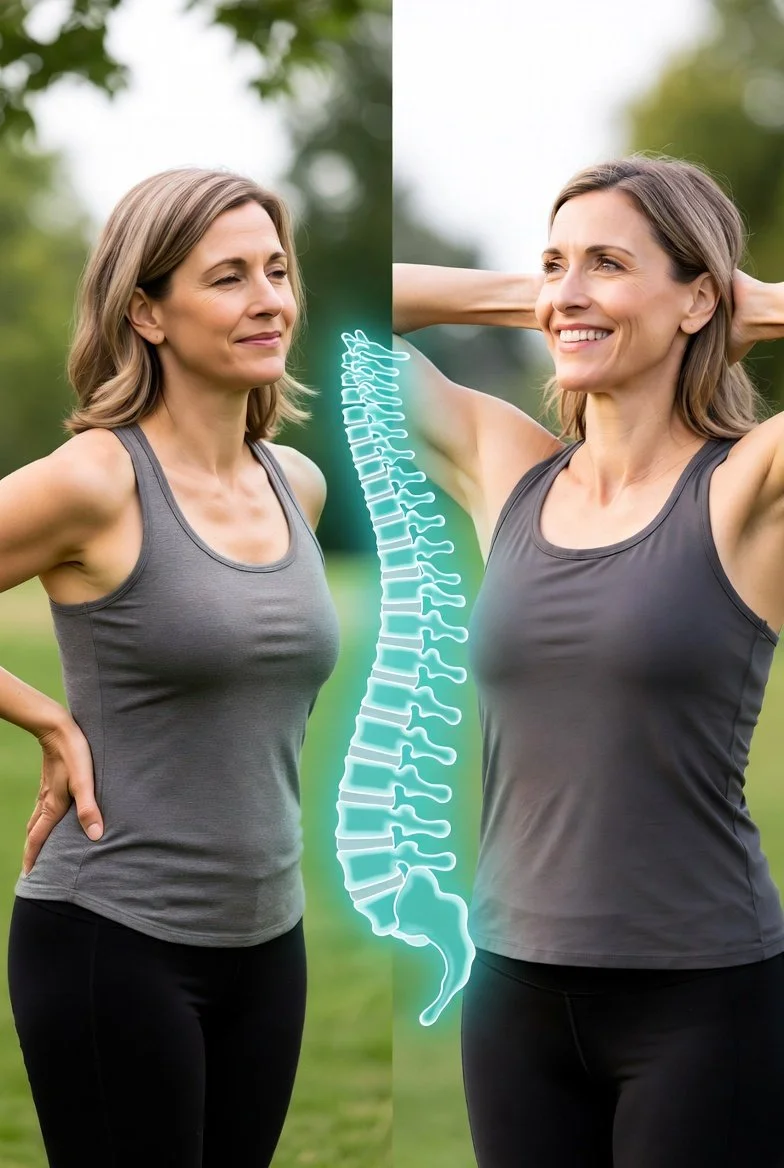
Menopause & Aching Joints/Back Pain: How Chiropractic Care Can Help Wyoming Women Feel Stronger & More Mobile
If you’re a woman in your 40s, 50s, or beyond living in Wyoming, MI, you may have noticed new aches showing up that weren’t there before. Stiff hips in the morning, a nagging lower back that tightens after sitting at your desk, or that deep joint discomfort that makes it harder to keep up with your usual walks or play with the grandkids.
Many women are surprised to learn that menopause and perimenopause can directly affect muscles, joints, and the spine. As estrogen levels shift, ligaments can become less flexible, inflammation can increase, and the natural curves in your back may feel more strained. The result? More back pain, tighter hips, and that frustrating feeling that your body just isn’t moving as freely as it used to.
The good news? You don’t have to simply “live with it.” Chiropractic care offers a natural, drug-free way to support your body through this transition.
At Clyde Park Chiropractic we team up with West Michigan Wellness Center to regularly help women navigate these midlife changes by focusing on gentle spinal adjustments, posture correction, and mobility work. Many non invasive and drug free treatments are available including Chiropractic adjustments, low level lasers, RIFE and microcurrent.
Restore proper alignment in the spine and pelvis, which often reduces pressure on irritated nerves and joints
Ease muscle tension that builds up from hormonal shifts
Improve range of motion so everyday movements feel smoother
Support better posture, which becomes even more important for bone health and balance during menopause
Many of our patients report sleeping better, moving with less hesitation, and feeling more like themselves again after consistent care. One local Wyoming woman recently shared that after just a few visits she could finally enjoy her morning walks around the neighborhood without that constant lower back pull.
Spring in Michigan is the perfect time to reset your body. If menopause-related aches have been slowing you down, consider scheduling a wellness evaluation. We’ll take the time to listen to your symptoms and create a gentle, personalized plan that fits your lifestyle — whether you’re busy with work, family, or simply want to stay active in our Wyoming community.
You deserve to feel strong and mobile through every stage of life. If you’re tired of pushing through the discomfort, we’re here to help.
Ready to take the next step? Call our office or book online today. We look forward to supporting the women of Wyoming, MI on their wellness journey.
Limited Appointments Available - Call Today! 616 -532-4500
April 8, 2026“Strong spines, bright futures! Gentle chiropractic adjustments + soothing low-level laser therapy help kids thrive naturally—supporting healthy growth, better focus, and a balanced nervous system. Because little bodies deserve big care!”
*** Supporting Children's Health with Chiropractic Care and Low-Level Laser Therapy

Chiropractic care and low-level laser therapy offer gentle, non-invasive approaches to support children's natural growth and well-being. When provided by trained professionals using age-appropriate techniques, these therapies can help address common pediatric concerns in a drug-free manner.
**Chiropractic Care for Children** focuses on gentle spinal adjustments and nervous system support. Pediatric techniques use minimal force—often no more than fingertip pressure—to promote proper alignment, posture, and nervous system function. Many parents seek this care to help with musculoskeletal discomfort, improved mobility, better sleep, and overall development. It is generally considered safe for infants, children, and adolescents when performed by qualified practitioners, with serious adverse events reported as rare in the literature.
**Low-Level Laser Therapy (LLLT)** uses safe, low-energy light to stimulate cellular repair, reduce inflammation, and promote tissue healing without heat or discomfort. In children, it shows promise for supporting pain relief, reducing muscle tension or spasticity, aiding recovery from minor injuries, and enhancing overall tissue health. Research indicates it is well-tolerated and non-invasive, making it a comfortable option even for young patients.
**Together**, chiropractic care and low-level laser therapy can complement each other by addressing both structural alignment and cellular-level healing. This combined approach may help children with issues such as postural concerns, sports-related strains, or general wellness support, fostering better function and comfort as they grow.
These therapies are not intended to replace conventional pediatric medical care but can serve as a valuable addition under professional guidance. Always consult with a licensed chiropractor experienced in pediatrics and your child's healthcare provider to determine if this approach is appropriate for your child's specific needs.
Stay Health This Holiday Season
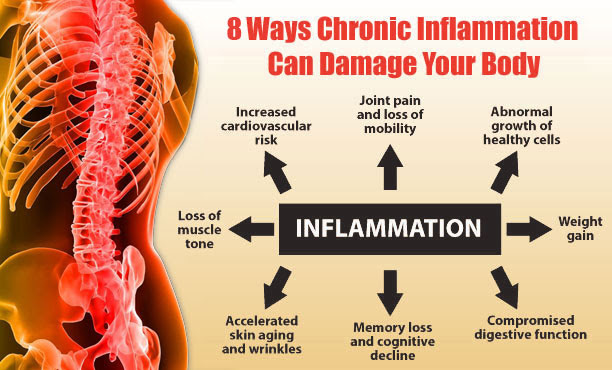
Inflammation is the Root of All Diseases!
Full Day of eating an Anti-Inflammatory Diet!
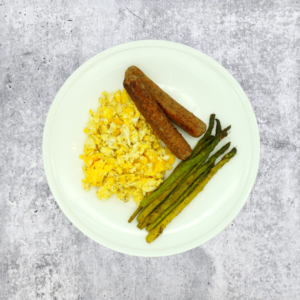

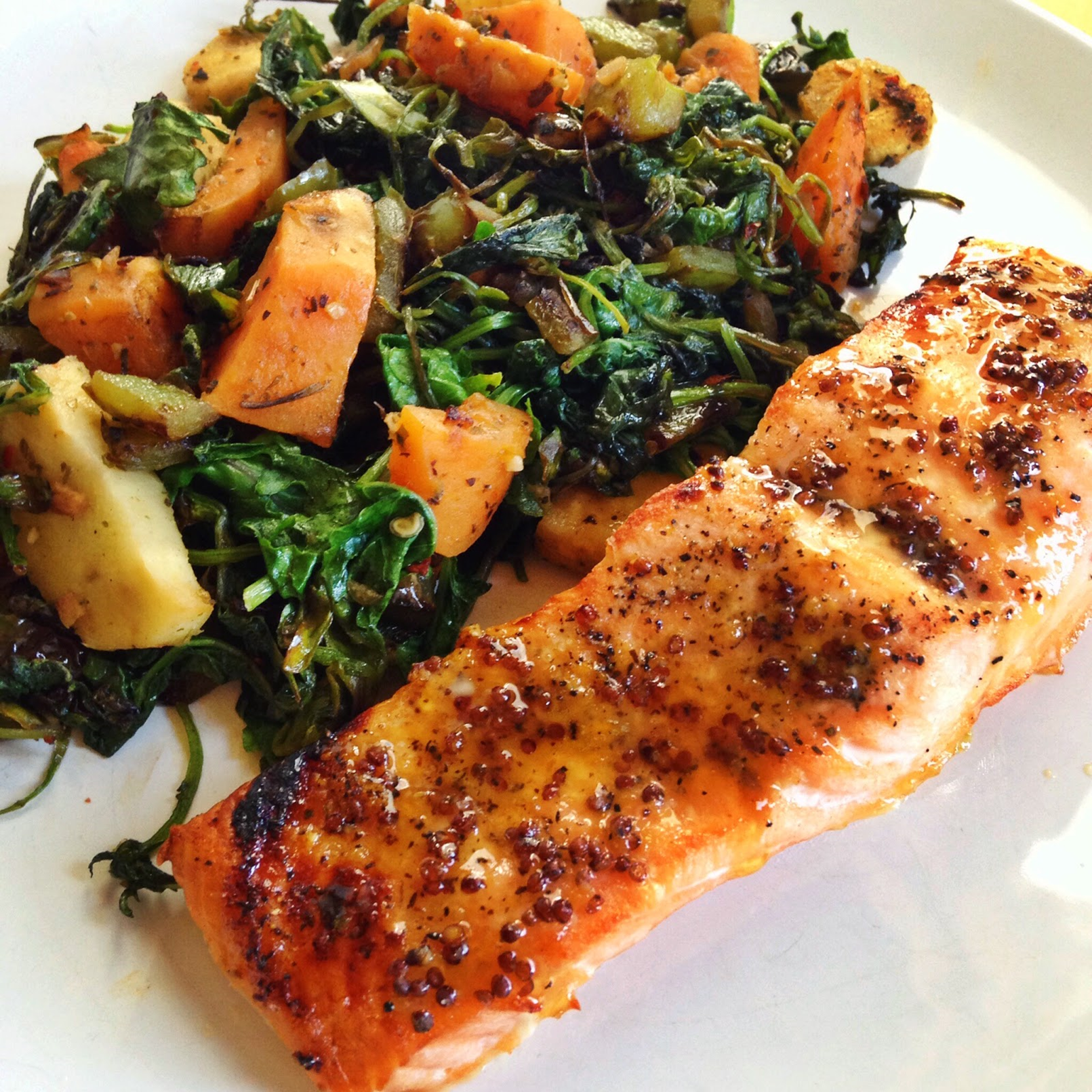
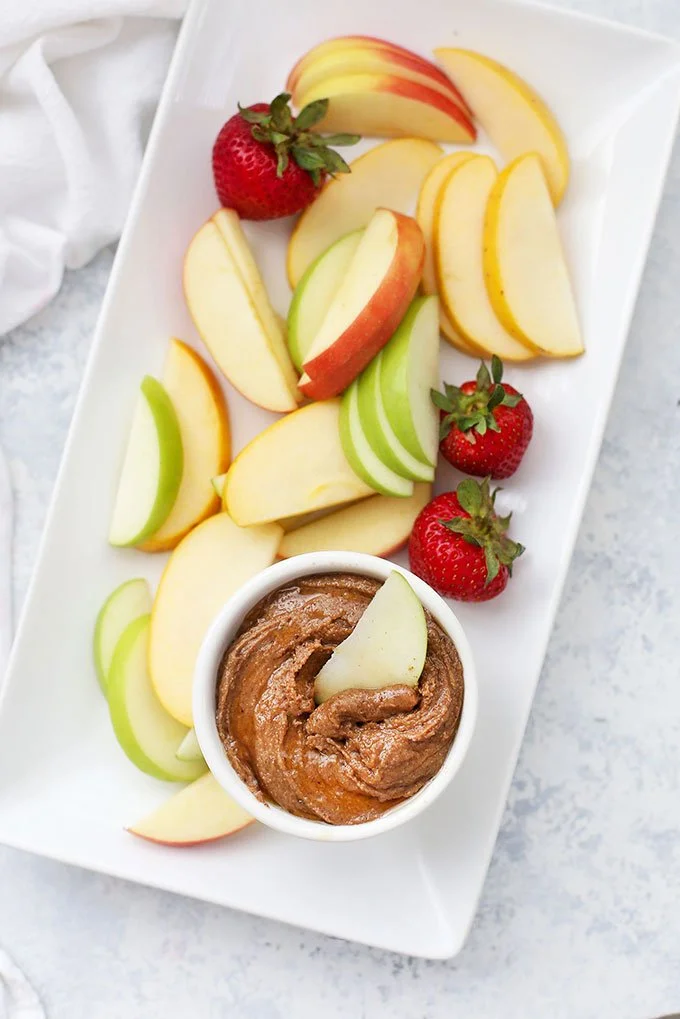

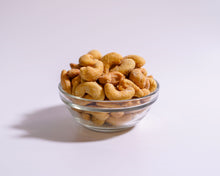
Turkey sausage, eggs and Asparagus
Veggies and guacamole
Kale, veggies and Salmon (it is vitally important to nOT BUY farm raises Salmon! It is TOXIC
Almond butter, apples and berries
Chicken, Sweet potato and broccoli
Cashews
What is Inflammation?
Inflammation happens when a physical factor triggers an immune reaction. It does not mean there is an infection however it reeks Havoc on your body’s Ability to function. This cellular condition sets the stage for disease and autoimmune problems.
Inflammatory Foods
Dairy - casein, a milk protein
Fatty Red Meats, cured meats
refined Grains
Cookies, Crackers, processed foods
All Sugar
Alcohol and Soda
DIY Solutions To Increase Your Immunity
1. Stay Hydrated
2. Daily Dose Of Vitamin D
3. Daily Does Of Magnesium
4. Daily Dose Of Vitamin C
5. Stay Active
How can we help?
** our new RIFE machine can help reset your intestinal flora. Healthy bacteria
is a must to fight inflammation, chronic pain and autoimmune diseases
Free Consultation TODAY
616 532-4500
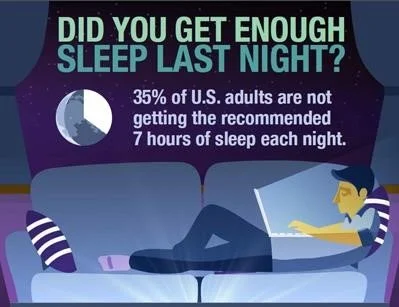
No More Insomnia!
Start with Nutrition
Bananas
Almonds
Turkey
Fatty Fish
Walnuts
Vitamin D
Bananas - Contain Magnesium and Potassium, both are Natural muscle relaxants
Almonds - help produce Healthy bacteria within the Intestines.
Turkey - Produces Serotonin a neurotransmitter that helps within the central nervous system and promotes sleep. * WARNING: turkey is a high glycemic food so people with high blood pressure should not over consume turkey.
Fatty Fish - contain omega 3 fatty acids boost Sleep Quality.
Walnuts - Contain melatonin the hormone that promotes sleep. Melatonin binds to receptors in the brain to help reduce nerve activity. it can help reduce dopamine levels, a hormone that helps you stay awake.
Reset your Circadian Rhythm
Circadian rhythm, the name given to your body’s 24-hour internal clock, controls your body’s sleep-wake cycle.
“It’s not just for sleep,” says behavioral sleep medicine psychologist Alicia Roth, PhD. “It’s for everything that goes on in our body. We have internal clocks for our hormones, our immune system, our digestion. Our organs all run on some sort of timing system.”
Have a routine
exercise
Avoid Caffeine and alcohol late at night
Stop screen time 30 minutes before bed
Get RIFE sleep treatments
Call us today! 616 532-4500

Stay Health this Holiday Season
6 ways to boost Your Immune System!
Getting sick is never Fun and in the Covid age can be dangerous!
Whether Germ Theory, Terrain theory or both we have you covered.
Germ theory states that specific microscopic organisms are the cause of specific diseases. The theory was developed, proved, and popularized in Europe and North America between about 1850 and 1920.
Terrain theory states that our state of health is determined by the internal environment of our body. The word ‘terrain’ is used to refer to the internal environment of our body. Terrain theory was initiated by Claude Bernard and was later developed by Antoine Bechamp.
Live Better and Brighter
Rife discovered that every virus, bacteria, parasite or other pathogen are particularly sensitive to a specific frequency of sound and can be destroyed by intensifying that frequency until it literally explodes, much like an intense musical note that can shatter a wine glass.
Ultraviolet light therapy is the use of ultraviolet light to destroy infectious organisms or harmful cells that cause disease of the body.
Why use our machines verse the one Available for Consumer Use?
Our machines are medical grade, meaning only physicians can purchase them. they meet all medical standards for healing. Conversely, the machines and Gadgets you see for sale all over are consumer grade and sadly most do not work. I personally learned out Red Light therapy for pain when I was in school pursuing my doctor of chiropractic degree I purchased one for my dad that was $400 range and he did not notice a difference. now that I have the medical grade machines, i have seen hundreds of patients get Healthier, pain free, become more mobile and live better.
DIY Solutions to increase your Immunity
1. Stay Hydrated
2. Daily dose of Vitamin D
3. Daily Does of Magnesium
4. Daily Dose of Vitamin C
5. Stay active
CALL NOW!
616-532-4500
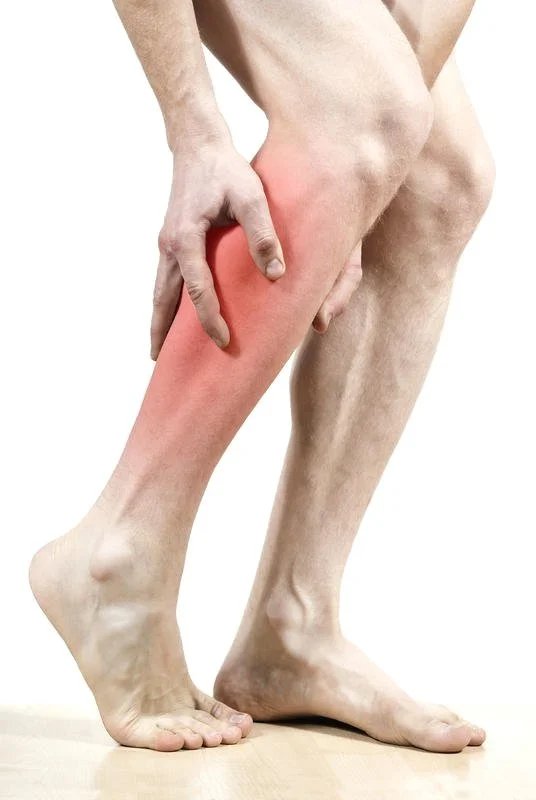
Excruciating PAIN =
Charlie horses & Leg cramps!
Excruciating PAIN = Charlie horses & leg cramps!
Have you ever been woken up in the middle of the night with pain in your calf and tears in your eyes? This is a common issue but should not be ignored because it can be a warning to a serious medical condition.
High Risk Symptoms, When is it time to call a doctor?
It is time for you to make an appointment with a doctor if you are experiencing numbness, tingling or muscle weakness in your calf, legs or toes.
What causes leg cramps and lingering pain?
First, you may be dehydrated. Your muscles need water to move and transport nutrients. Lack at hydration will cause an electrolyte imbalance leading to charley horses and leg cramps.
Second, could be as simple as sleeping position. The best ways to sleep on your back or on your side with a knee pillow.
Thirdly, a lack of magnesium. Magnesium is essential for proper muscle function. Muscle cramps and leg pain.
DIY Solutions for muscle cramps and Charlie horses
To fix dehydration; drink half your body weight in oz of water a day
Regular exercising and stretching first thing and last thing of the day.
Taking a magnesium supplement. Stay away from a multivitamin for your magnesium deficiency.
Consult a doctor immediately if you have any of these 3 symptoms.
1. Numbness
2. Tingling
3. Muscle weakness
616-532-4500
Call Now Limited Free Exams Available
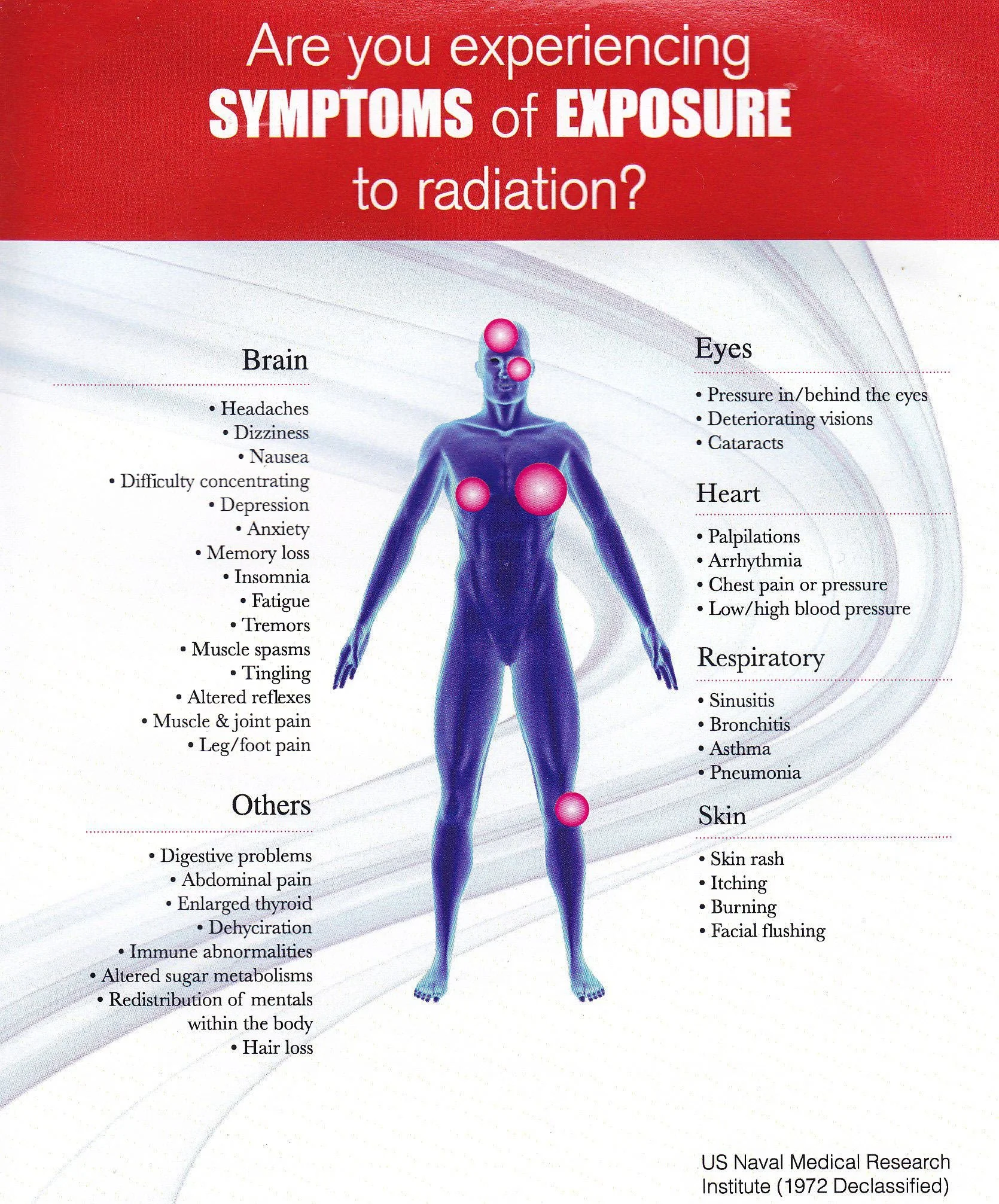
Do I really need to be concerned about the connection between EMF radiation and my health?
In short, YES! EMF, is an abbreviation for electromagnetic radiation. American Heritage Dictionary 5th addition defines electromagnetic field as,
1. “The field of force associated with electric charge in motion, having both electric and magnetic components and containing a definite amount of electromagnetic energy.
2. The field of force that is due to the interaction of electric and magnetic forces of charged bodies.
So, what does electromagnetic radiation have to do with my health?
The body is an electrical system, Newsmax’s Dr. David Brownstein explains it simply, “The human body is a bioelectrical system. Our muscles contract because electrical impulses from the brain tell that muscle or muscle group to contract.
Even breathing can only occur because electrical impulses go to the muscles of the chest and the diaphragm.
Likewise, the heart beats and pumps blood thanks to electrical activity in its muscles.
Where causes EMF radiation poisoning?
Exposure is all around us in today’s “smart” tech technologies. Even the decades go to the microwave. Here is a list of other daily products that expose you to EMF dangers.
1. Smart Home Devices (such as Alexa/Google Home
2. Cell Towers
3. Laptops/Tablets
4. Smart Phones
5. Wifi Routers
7. Wireless Headphones
8. Wired Headphones/Headsets
9. Digital Cameras
10. Digital Watches
How much is too much EMF exposure?
In reality, any electromagnetic radiation exposure is too much. EMF radiation affects your metabolic process, DNA and cellular structure. Your health comes down to how cells function on the biochemical and physiological manner.
High RISK Symptoms
Severe headaches
Fatigue
Trouble sleeping
Brain fog
Confusion
Dizziness
Tinnitus
Best ways to reduce EMF levels
It seems harder than it might be, optimally we level the “smart technology” behind but that’s unthinkable in this day and age. Start small and work your way to a healthier you!
Start by speaking on your phone on speaker mode, turning it on airplane mode when not in use along with not carrying it on your body, this put more distance between you and your phone. Many companies sell EMF protection gear that range from stickers for your phone to clothing.
Adding a magnesium supplement, cinnamon, ginger, turmeric to your diet will help repair some of the cellular damage.
There are also bioelectrical microcurrent, ultraviolet low lever laser treatments.